The Teacher as the "Oracle"
For most of human history, knowledge was passed from person to person. Philosophers, monks, scholars, and teachers did not simply transmit knowledge; they were the place where knowledge was stored.
Socrates did not leave behind a single page of writing. Most of what we know about him comes from the records of students such as Plato. The central question of education in this period was only this:
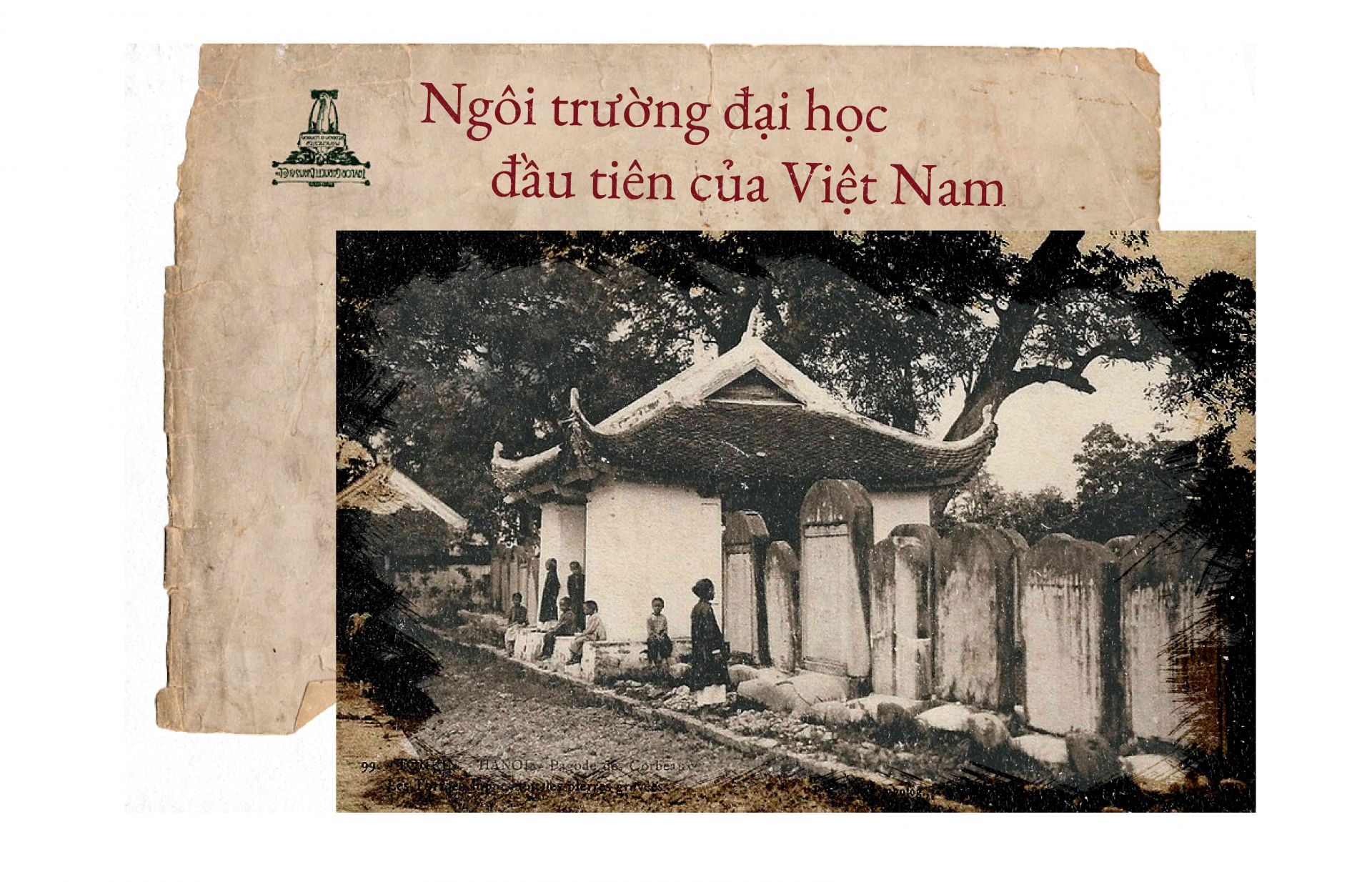
In Vietnam, the Temple of Literature — Quốc Tử Giám (1076) was the first center of education, where Confucian scholars did not merely teach; they carried knowledge as something attached to the human body. Knowledge was locked inside a biological body, and learning could not happen remotely. Students had to travel all the way to the capital, step through the Confucian gates, kneel in the courtyard, and listen to the teacher lecture. The learner’s body had to share the same physical space as the teacher’s body for “knowledge transfer” to happen. The entire education system depended on the flesh-and-blood presence of the teacher..
The Printing Press Freed Knowledge.
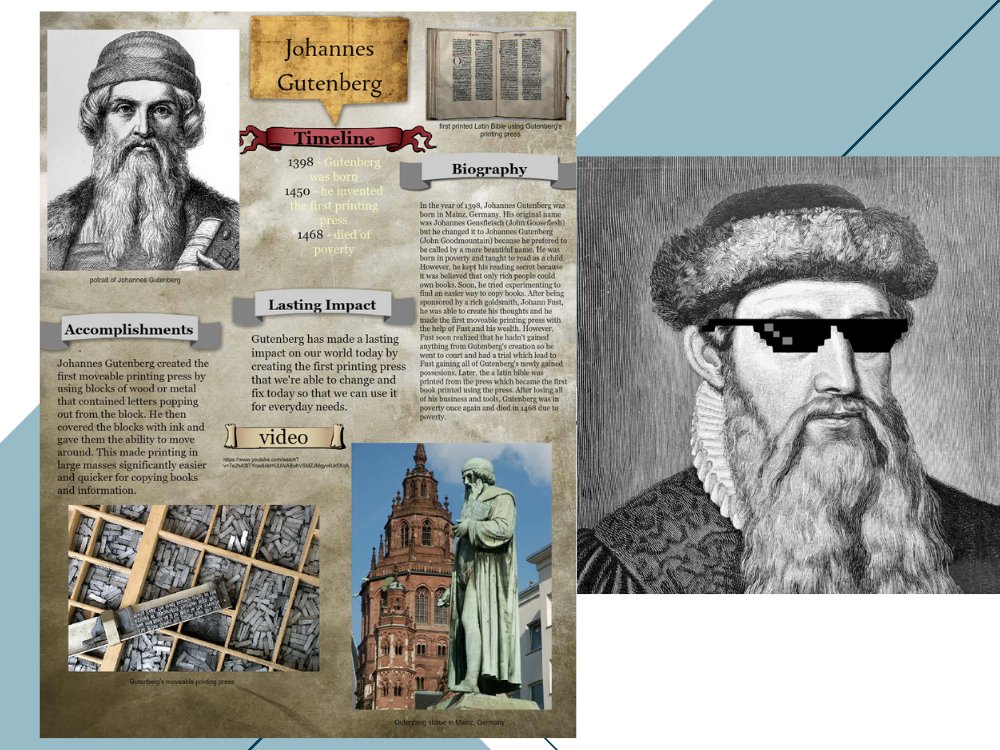
Around 1440, Johannes Gutenberg developed movable-type printing. For the first time in history, knowledge could be copied at scale. The central question became: how do we help more people learn?
A New Question Appeared for the First Time
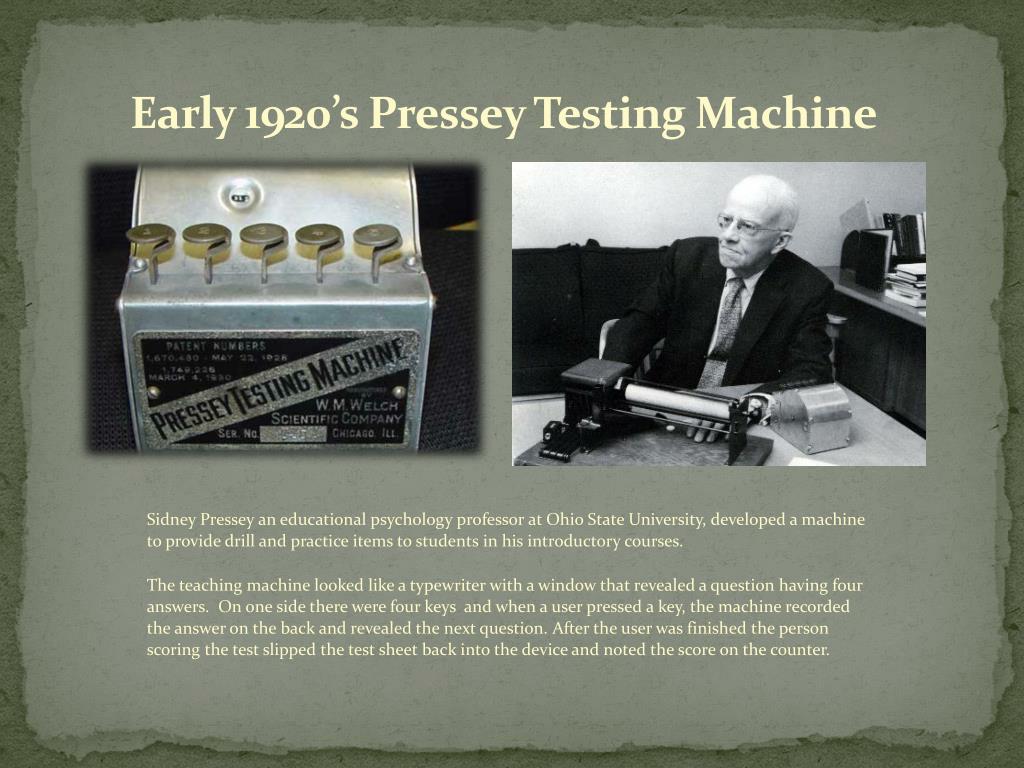
In 1924, psychologist Sidney Pressey at "Ohio State University" built the first mechanical "automatic intelligence testing machine (testing-and-teaching machine)." Students answered questions, the machine checked the answers, and they received immediate feedback.
This was the first time in human history that people seriously asked: can machines teach?
The Era of "Intelligent Tutoring Systems"
From the 1970s, researchers began building more ambitious systems: SCHOLAR, SOPHIE, AutoTutor, Cognitive Tutors. The goal was to model knowledge, model the student’s state, and choose an appropriate teaching strategy.
The measured results from meta-analyses were far more impressive than early expectations:
Effect size g (Cohen's g). Meta-analysis of 107 effect sizes and 14,321 students — Ma et al., 2014 · APA.
The Internet Democratized Knowledge — and Revealed Its Downside
YouTube (2005), Khan Academy (2008), Coursera & edX (2012) all promised us the same thing: anyone, anywhere, could learn from the best professors for free. But a paradox appeared from there.
Range: 0.7% to 52.1%. Coursera’s "Bioelectricity" lost 80% of learners before the course even began, leaving only 350 certificates from 12,700 registrants.
Many studies also found that 39% of learners who registered for a MOOC took no action in the course at all (Jansen et al., 2020).
The History of AI Has Never Been a Straight Line
Many periods of excessive expectations were followed by disappointment, creating "AI winters" — periods when communities, governments, and businesses lost confidence in AI, leading to cuts in funding, research, and investment after a time when AI had been over-promoted. But in education, AI never stopped existing. It simply kept changing form.
Deep learning and big data allowed AI to move beyond rule-based systems and become truly adaptive. AI learns from student behavior instead of requiring every rule to be programmed manually.
Generative AI: The Teacher That Never Gets Tired
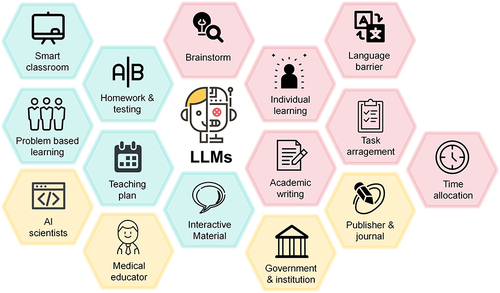
The arrival of large language models created a significant shift. For the first time, a computer system could converse in natural language, explain the same concept in multiple ways, and generate genuinely contextual feedback.
IN THE 2023–2024 SCHOOL YEAR
Source: NEA 2025 (K–12 teachers) · UNESCO 2023 (school policies).
The Thing No AI Can Replace
The history of education shows an undeniable repeating pattern: the printing press did not eliminate teachers, the internet did not eliminate teachers, ITS did not eliminate teachers, and clearly, "Generative AI" has not yet shown evidence that it will do so.
As researcher Simon Doroudi notes in Springer (2022), "the histories of AI and education have been intertwined since the early days of AI", and every revolution makes clearer the things only humans can do.
What technology often does is: automate part of the work, change roles, and redistribute responsibility in the learning process. The teacher does not disappear; on the contrary, the teacher is distilled back to their true essence.